
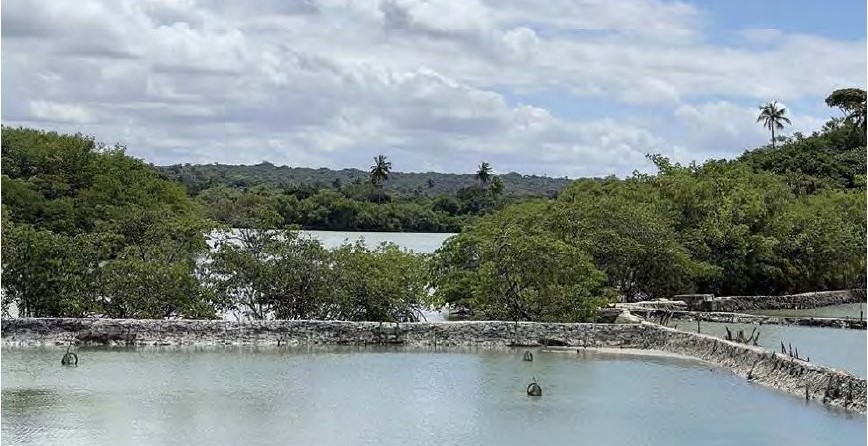
The interdisciplinary EESSEM project (funded by 80PRIME CNRS), embedded within TAPIOCA, proposes to improve the assessment of the state of a mangrove socio-ecological system, taking

Four new species of the scaleless black dragonfish genus Eustomias are described based on specimens collected during the ABRACOS (Acoustics along the BRAzilian COaSt) expeditions along the
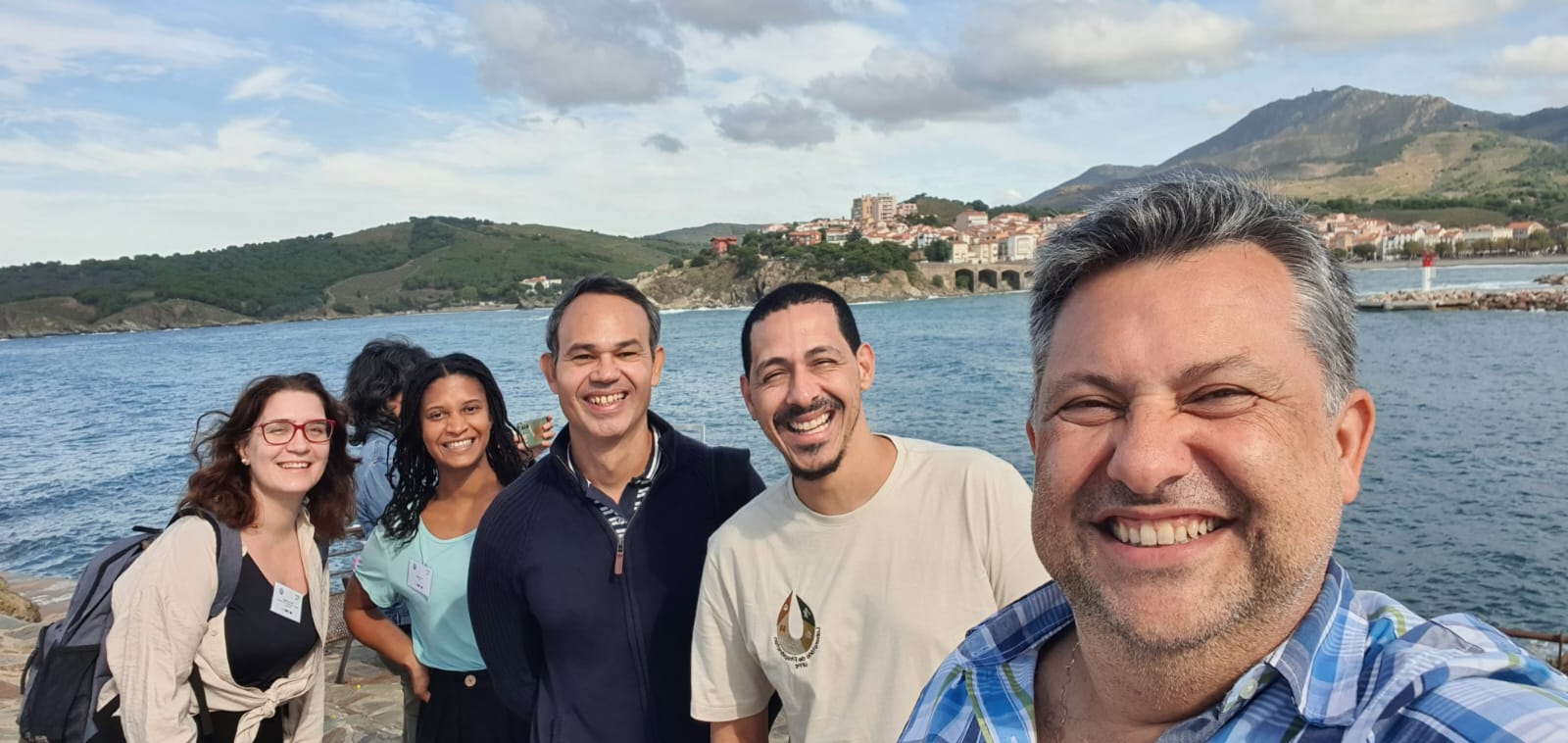
A Conferência TRIATLAS e PIRATA-26, aconteceu em Banyuls-sur-Mer, França, de 16 a 20 de outubro de 2023. O encontro reuniu participantes de todo o mundo,
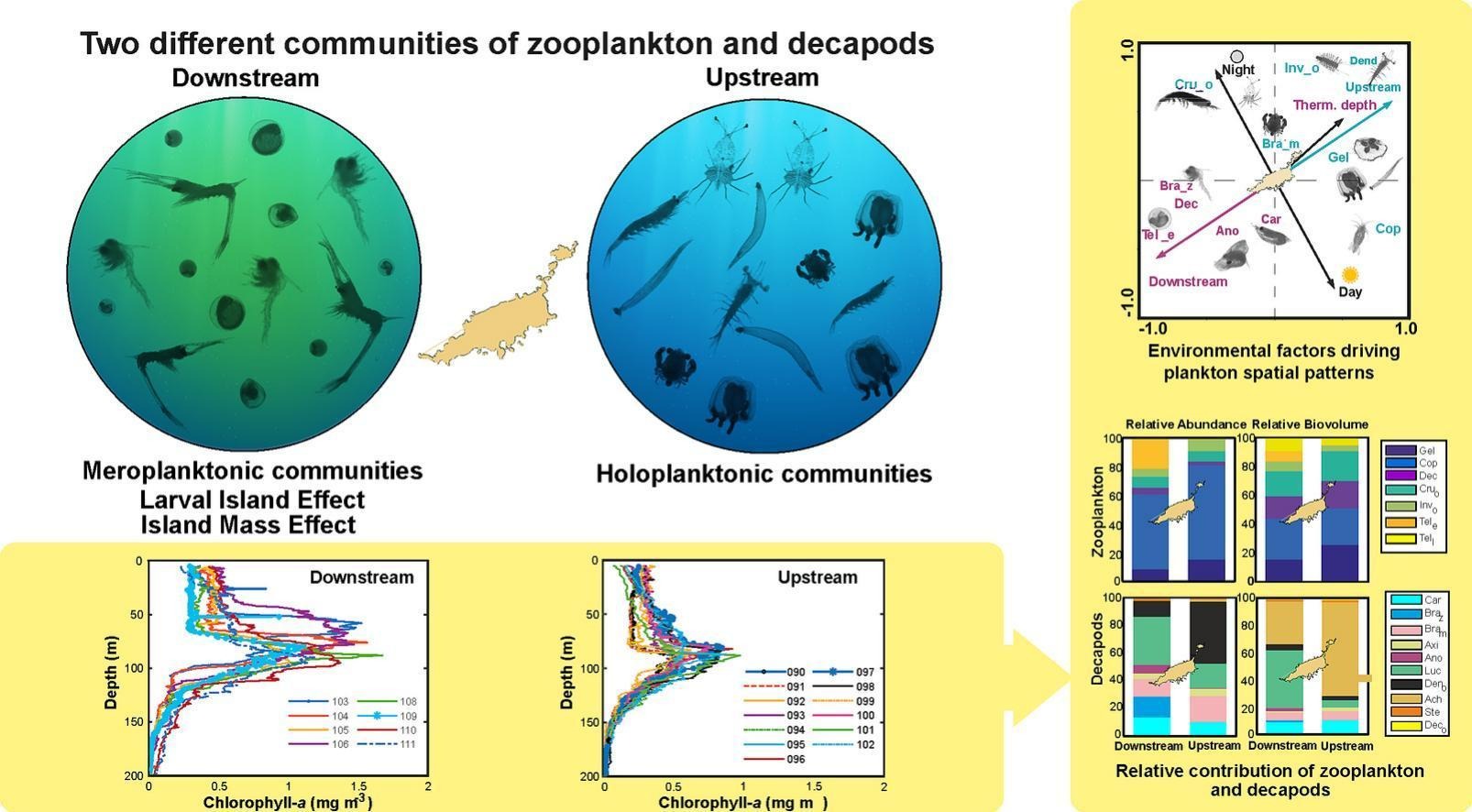
Pelagic ecosystems around tropical oceanic islands are considered oases of high plankton biomass in the middleof oligotrophic “blue deserts”. To understand the dynamics of such
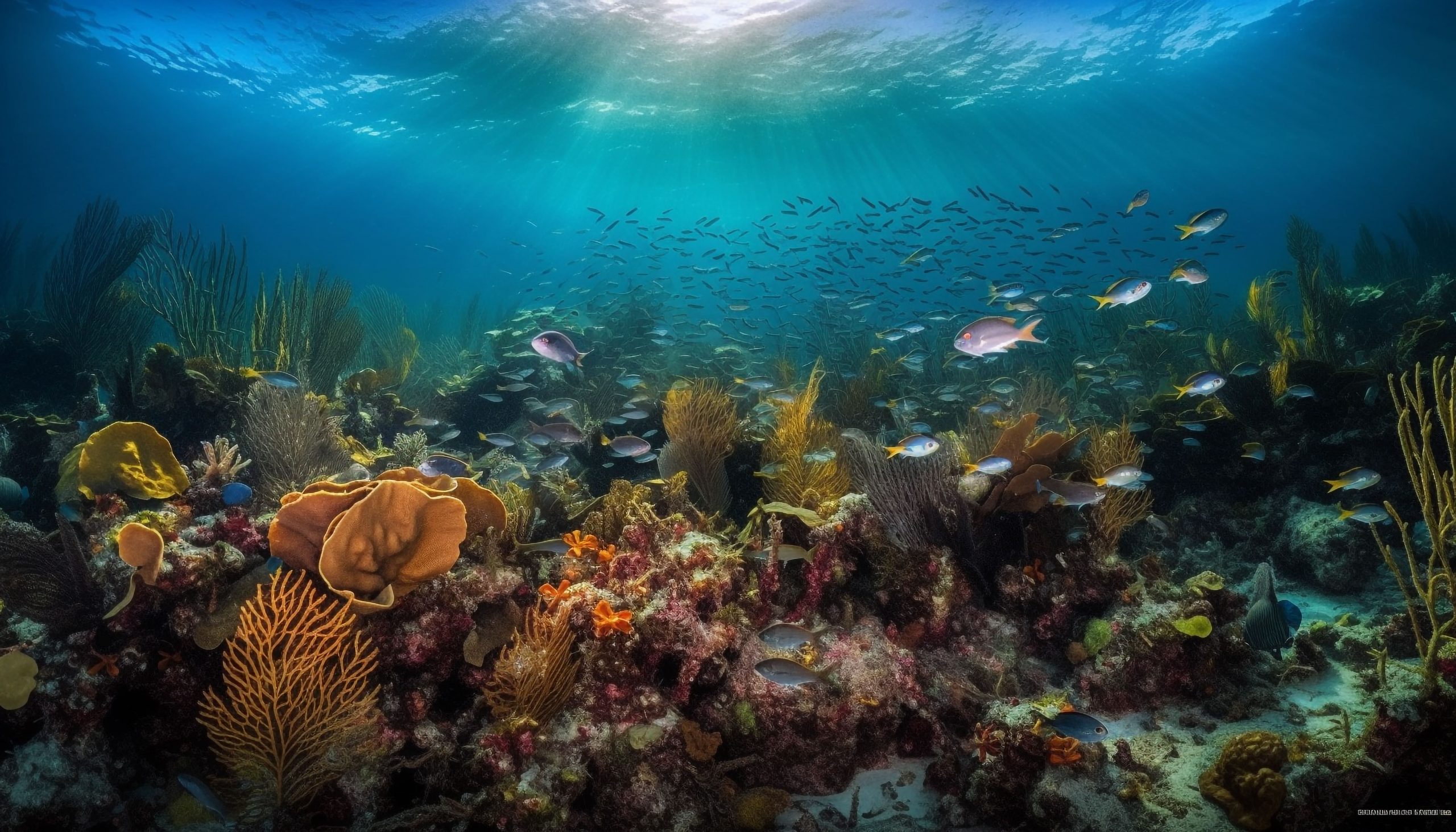
Estudos recentes realizados por especialistas do MARBEC em conjunto com o Projeto LMI Tapioca revisitaram descobertas significativas sobre os ecossistemas marinhos do nordeste brasileiro. O
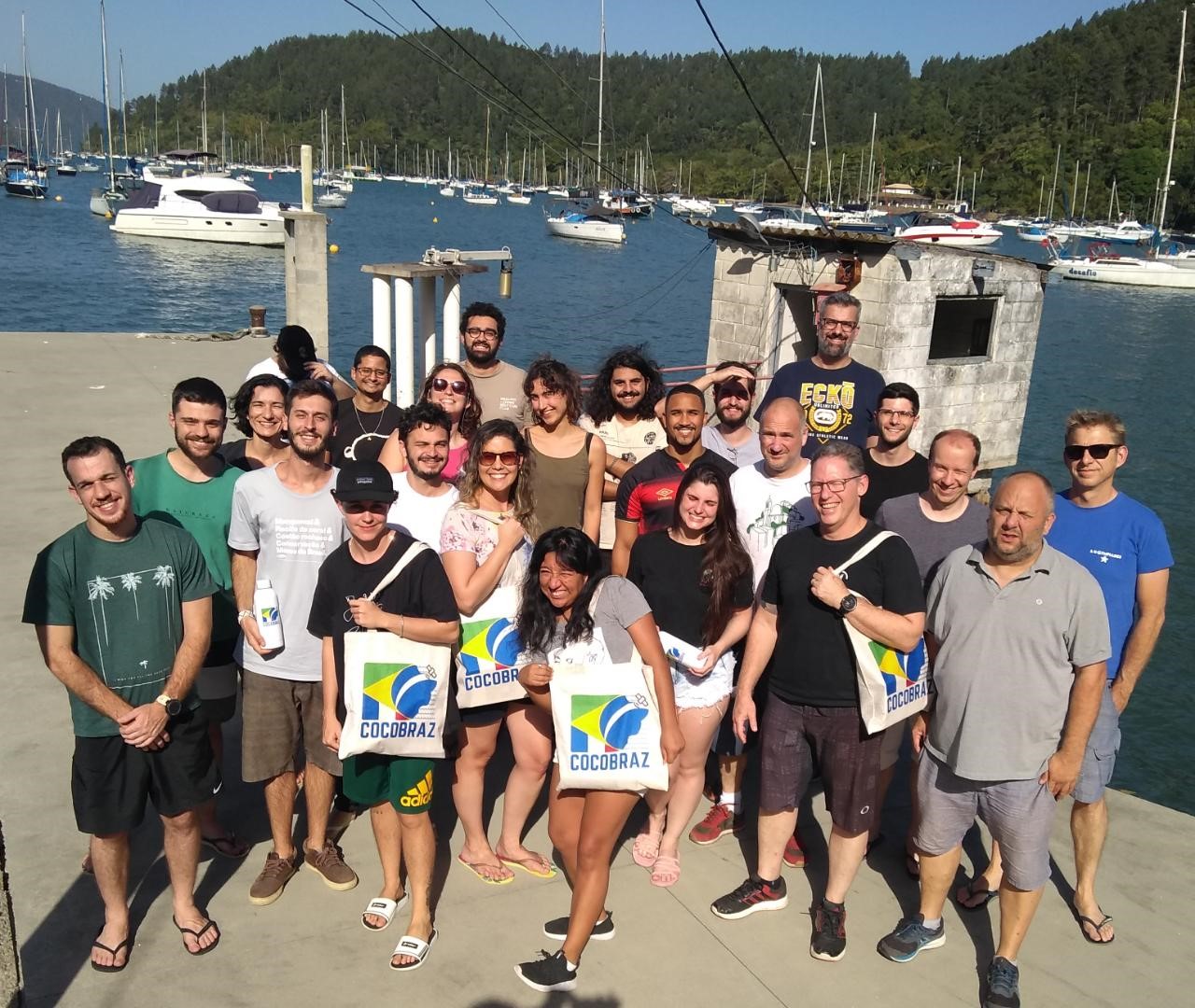
From the 8th to the 16th of July, the enchanting shores of Ubatuba, Brazil, became a hub of intellectual exchange as the COCOBRAZ (Characterization of
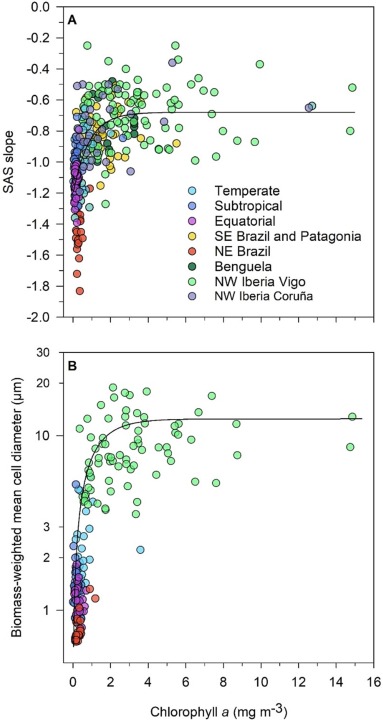
Phytoplankton size structure, a major determinant of trophic structure and biogeochemical functioning in pelagic ecosystems, can be described by the slope of the size-abundance spectrum
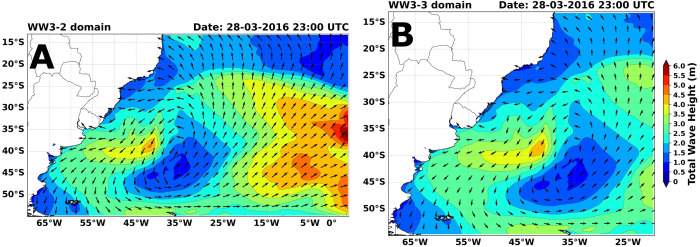
In March 2016, the passage of a cold front on the southern coast of Brazil generated extreme meteo-oceanographic conditions along the southern Brazilian coast. This
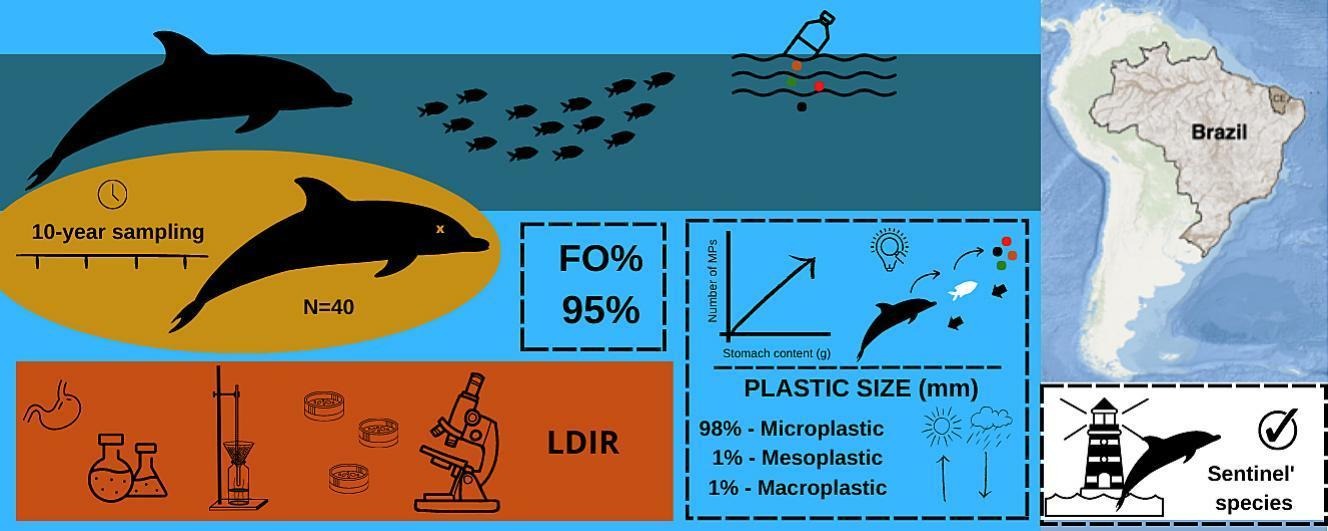
Marine mammals are considered sentinel species and may act as indicators of ocean health. Plastic residues are widely distributed in the oceans and are recognised
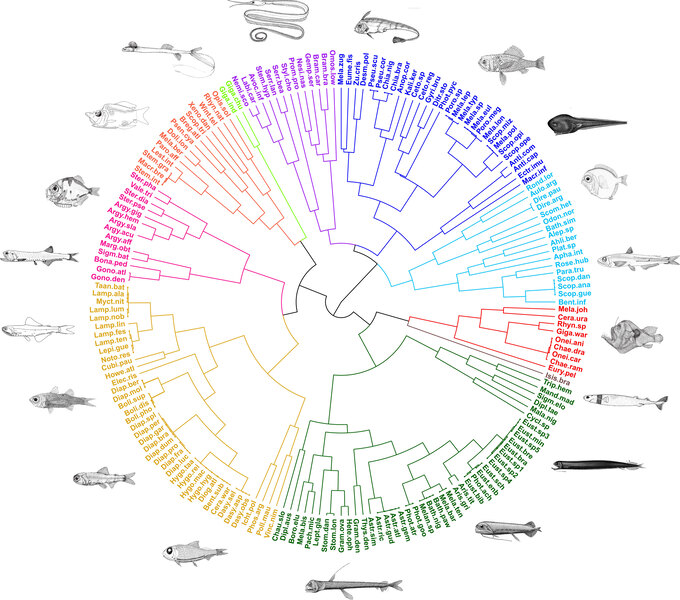
Mesopelagic zones (200–1,000-m depth) are characterized by relatively low light levels, cold waters, and often limited oxygen, forming a stable yet challenging habitat for their