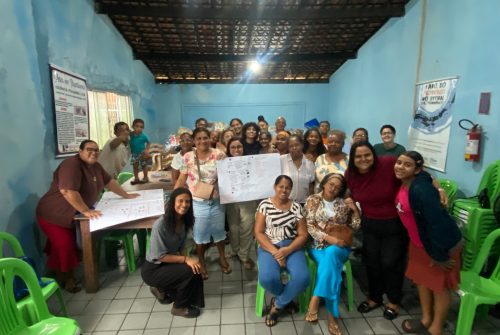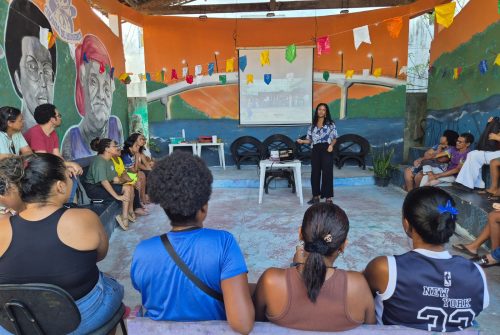

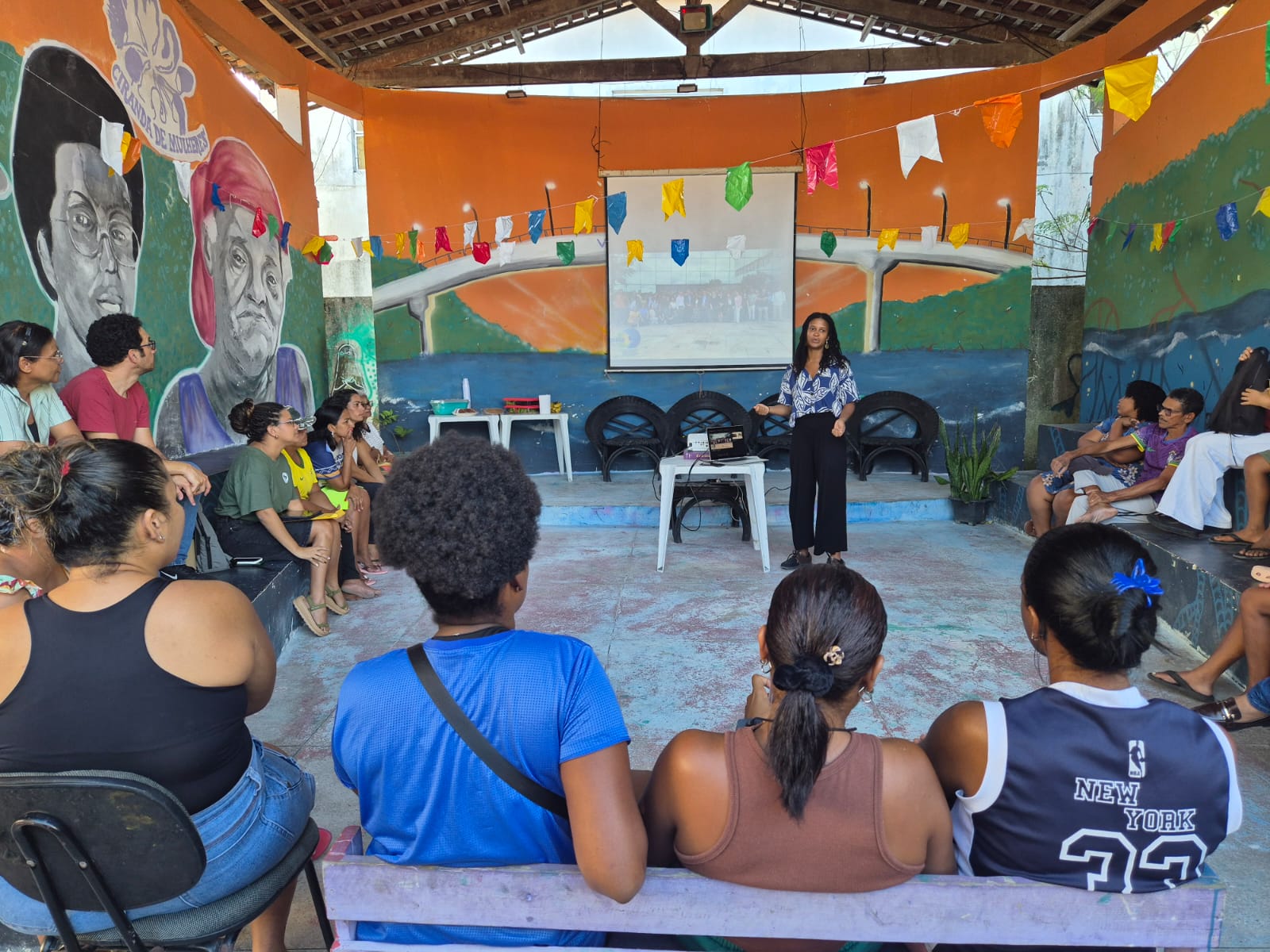
On August 14, the headquarters of Caranguejo Uçá, on Ilha de Deus (Recife), hosted a dialogue circle on health and risks in artisanal fishing. The meeting brought together fishers from the community, researchers from Fiocruz and LMI TAPIOCA, as well as representatives from CESAM (Centro de Saúde Alternativa de Muribeca), in a joint effort to listen to the demands of those who live off artisanal fishing and to build pathways toward more just and effective public policies.
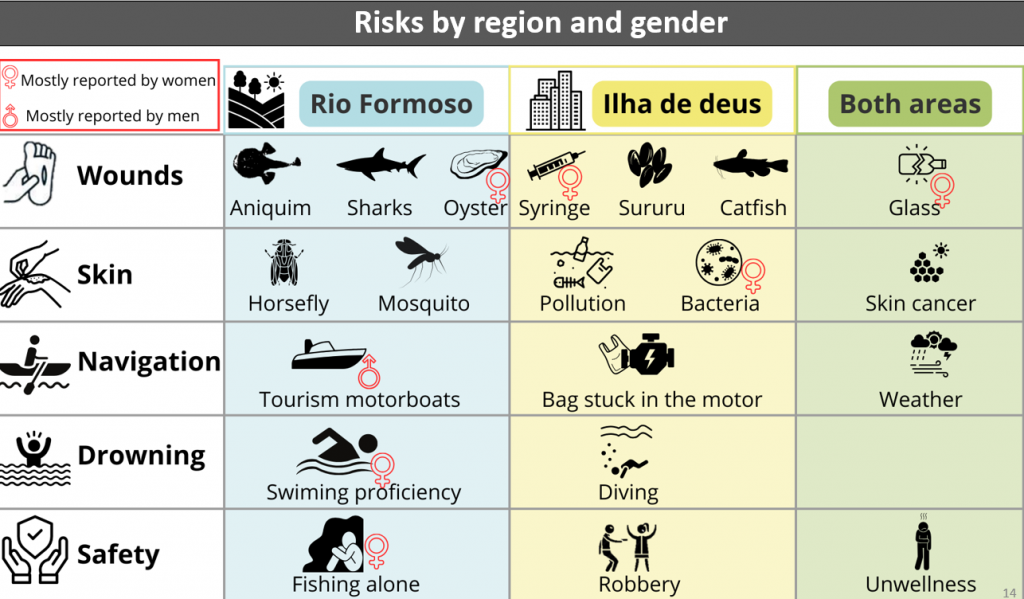
During the activity, the results of a survey conducted with fishers from Ilha de Deus and Rio Formoso were presented, highlighting the physical and mental risks most frequently mentioned, as well as the solutions proposed by the workers themselves. The data revealed a detailed portrait of daily difficulties, ranging from injuries and fatigue to stress caused by insecurity and lack of institutional recognition.
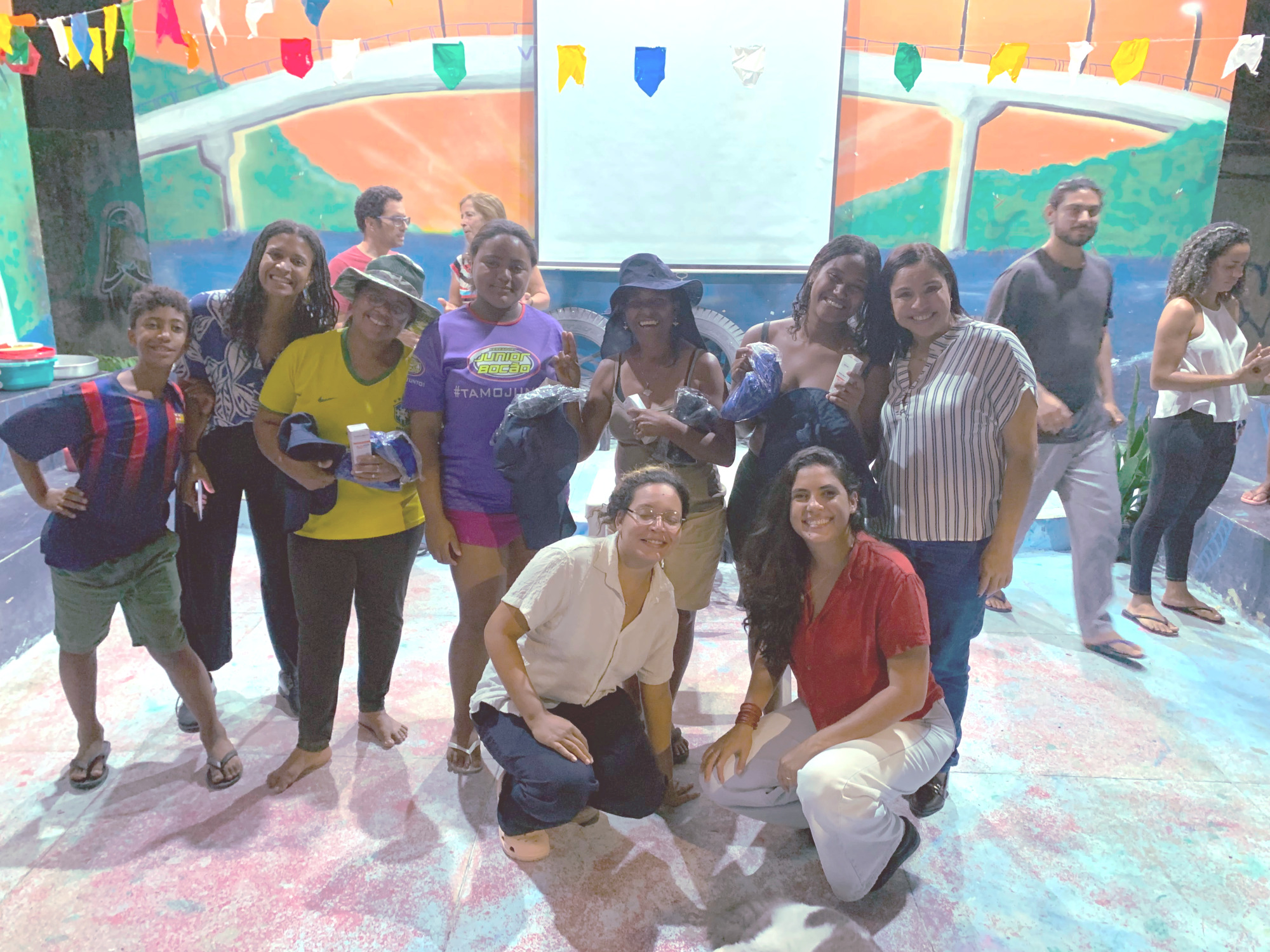
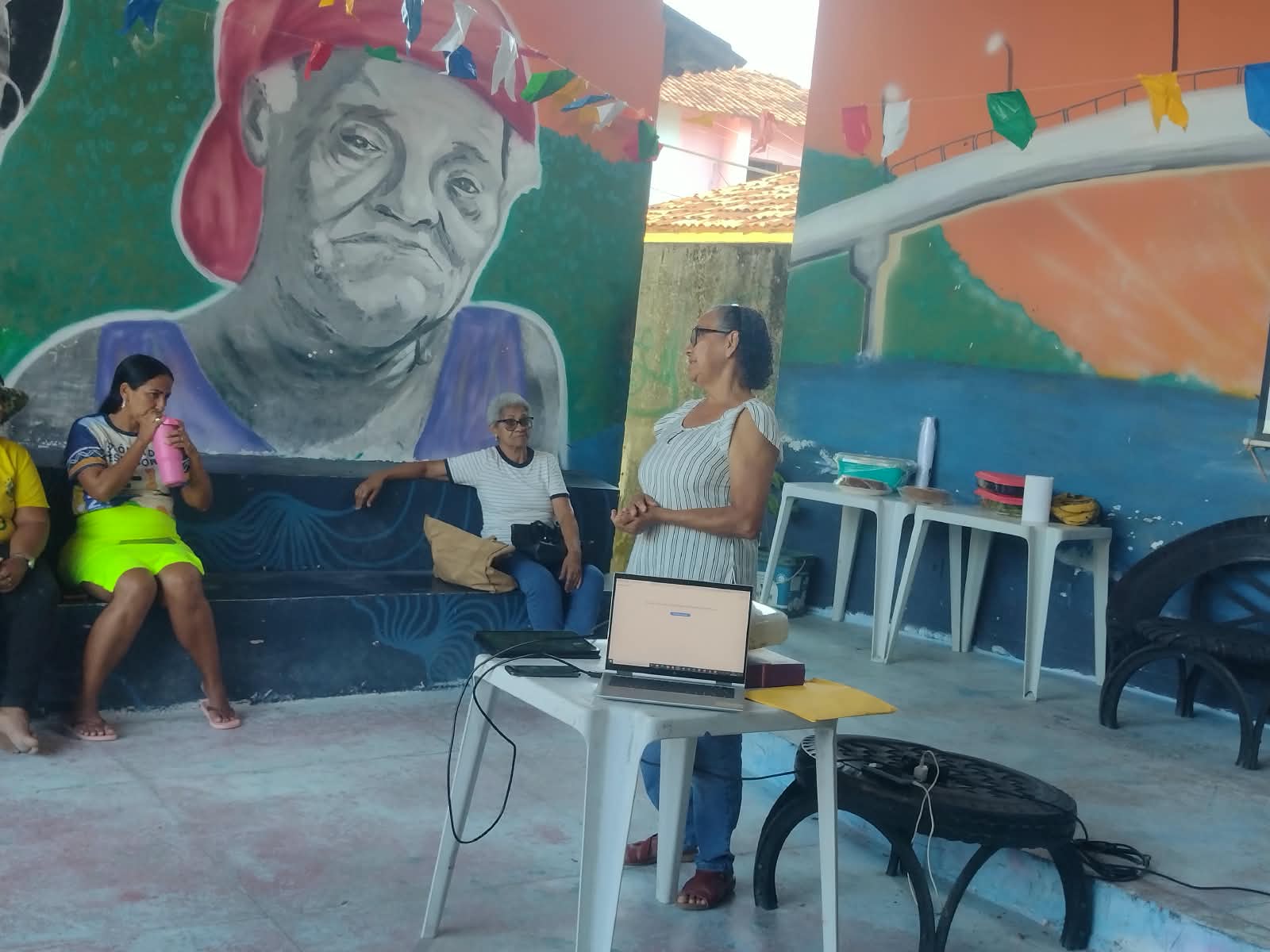
Researchers from Fiocruz shared findings from a participatory social mapping and studies on the consequences of the 2019 oil spill for the Ilha de Deus community, highlighting the environmental and social impacts that still resonate in the region. The dialogue circle also featured a professional from CESAM, who presented and discussed with participants the use of local plants and natural remedies as accessible and culturally grounded alternatives for health care. At the end of the activity, participants received protection kits including sunscreen, UV-protective shirts, repellents, and hats — distributed through a raffle during the meeting, as part of the actions aimed at preventing risks in fishing activities.
The meeting concluded with a collective discussion on key priorities for future public policies. These included the need for health professionals specialized in the realities of fishing, tackling different forms of pollution, greater participation of fishers in decisions affecting their activities, and the recognition and protection of artisanal fishing territories.
The dialogue circle reinforced the importance of building research and public policies grounded in dialogue with fishing communities, valuing their experiences, knowledge, and priorities. More than a space for listening, the meeting affirmed that the voices of those who live from the sea must be central to building a fairer and more sustainable future for artisanal fishing.