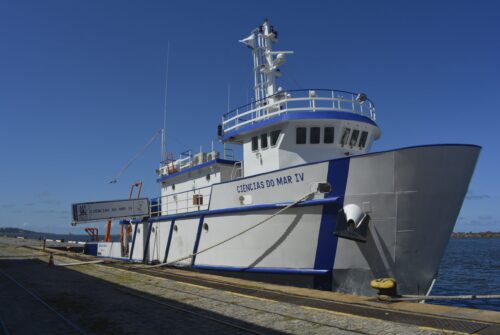
The Federal University of Pernambuco (UFPE) and the French Research Institute for Development (IRD) carried out the SWOT-SWATI 2026 oceanographic campaign between November 2 and 7, 2026. For the first time, the expedition deployed two observation systems at a depth of about 800 meters off Recife and Natal the so-called moorings which will continuously record current velocity and direction, as well as water temperature and pressure, over the course of a year. The goal is to understand how ocean currents off Northeast Brazil vary throughout the year.
What moorings are and why they matter
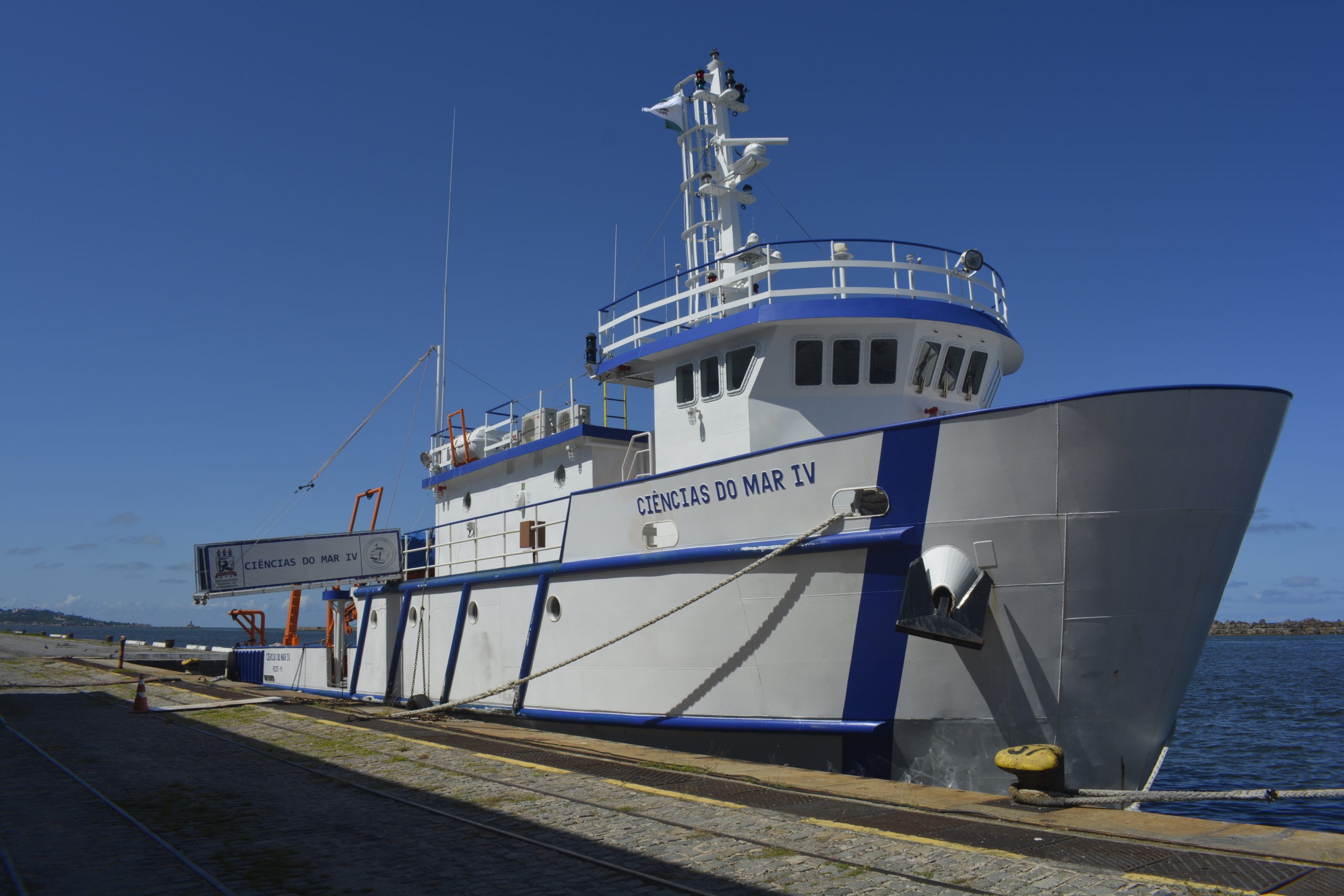
Moorings are systems that keep instruments at fixed positions in the ocean, allowing continuous measurements at depth something satellites, which only observe the surface, cannot capture. Aboard the school ship Ciências do Mar IV, the team also deployed six autonomous Argo floats, programmed to operate in cycles reaching 2,000 meters depth, and surface buoys to track currents and wave height. During the expedition, researchers also used an onboard altimeter to observe tides and waves, measured temperature and salinity at different depths, and collected water samples for biogeochemical analyses.
North Brazil Undercurrent and climate
The data will help to better understand the North Brazil Undercurrent, which carries waters toward the equator along the Brazilian continental margin. The measurements will also serve to evaluate ocean circulation models and to complement, with depth observations, the surface data obtained by the French-American SWOT satellite. Because these currents transport heat through the ocean, they influence the climate. In the future, scientists will be able to compare new measurements with those from this campaign to track how the currents change over the years.
Student training and participating institutions
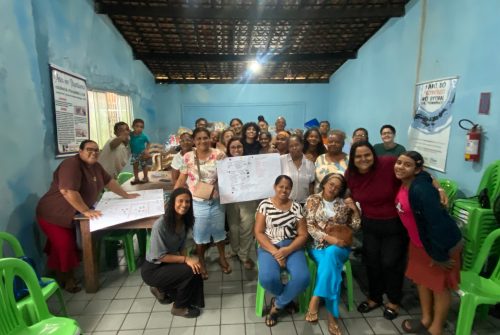
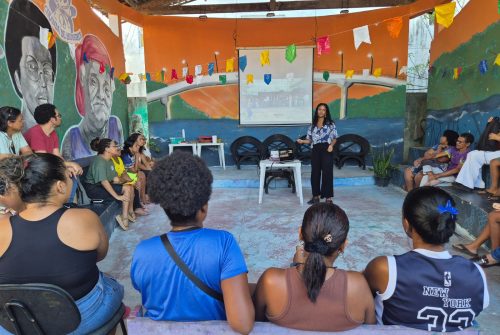
The SWOT-SWATI 2026 campaign also had a formative dimension. On board, students followed the fieldwork and had contact with the instruments and procedures used to observe the ocean, from equipment deployment to sample collection. In addition to UFPE and IRD, the campaign involved the French National Centre for Scientific Research (CNRS), Mercator Ocean International, the French Research Institute for Exploitation of the Sea (Ifremer), the European Centre for Research and Advanced Training in Scientific Computing (CERFACS), and the French National Centre for Meteorological Research (CNRM). Coordination was shared among researchers Camila Artana (IRD/Locean), Alex Costa da Silva (Docean/UFPE), and Fabrice Hernandez (IRD/Legos).
About the LMI Tapioca
The expedition included the participation of Brazilian and French students, professors, and researchers affiliated with the International Joint Laboratory Tapioca, based at the Department of Oceanography of UFPE.
References
Original article published by the UFPE Communications Office: https://www.ufpe.br/ascom/noticias/-/asset_publisher/O3Odar12gQTr/content/ufpe-e-ird-realizam-campanha-oceanografica-ao-largo-do-nordeste/40615
Cover photo source (ship Ciências do Mar IV): https://cienciasdomar4.com.br/sobre-o-navio/